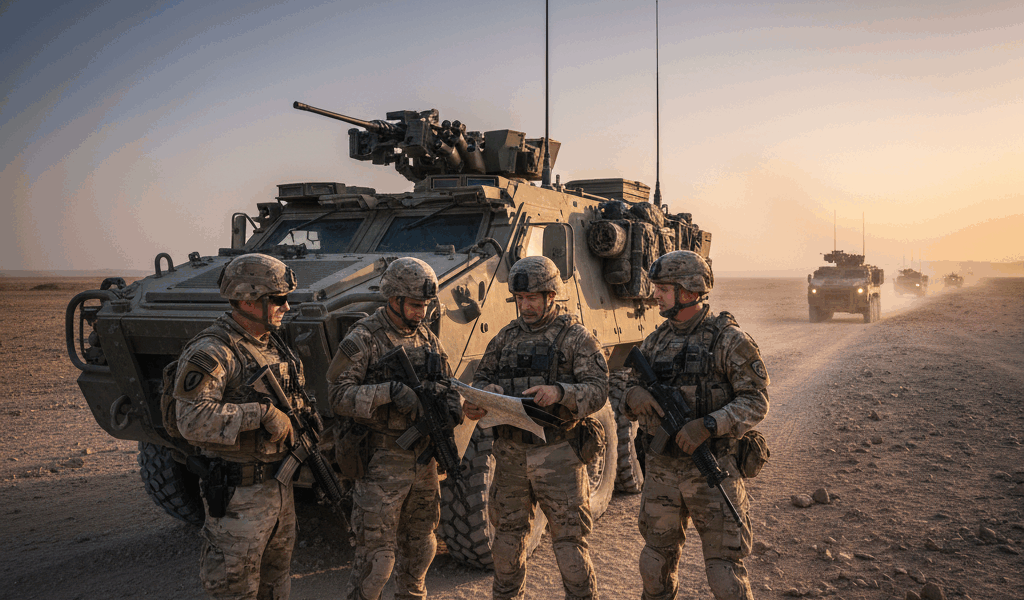
Receiving deployment orders triggers a mix of emotions for service members and their families. Whether youre heading to a combat zone, a peacekeeping mission, or an extended training rotation, preparation and mindset make all the difference in how you experience this significant chapter of military service.

Pre-Deployment Preparation
The months before deployment are critical. Start by ensuring all administrative requirements are complete. Update your SGLI beneficiaries, establish or update your will, and ensure your power of attorney documents are current. These tasks might feel morbid, but they provide peace of mind for you and your family.
Financial preparation deserves significant attention. Many service members receive additional pay during deployment, including hostile fire pay, family separation allowance, and tax-free income in combat zones. Consider setting up automatic savings to take advantage of this increased income. Pay down debt, establish automatic bill payments, and ensure your spouse or designated family member has access to all necessary accounts.
Thats what makes pre-deployment planning different from regular PCS moves — the financial opportunity is significant if you plan for it.
Physically, focus on building the endurance and strength youll need. Deployment environments often involve long hours, uncomfortable conditions, and physical demands. The more physically prepared you are, the better youll adapt.
Packing Smart
Your unit will provide packing lists for operational requirements, but experienced deployers recommend adding personal items that support mental health and comfort. Books, downloaded entertainment, photos of loved ones, and small comfort items can significantly boost morale during difficult times.

Consider what helps you decompress at home and find deployment-appropriate versions. If you exercise for stress relief, pack resistance bands or a jump rope. If youre a reader, load up an e-reader with books. If you journal, bring notebooks and pens.
Staying Connected with Family
Communication technology has transformed deployment experience. Video calls, messaging apps, and email keep families connected in ways previous generations couldnt imagine. Establish communication expectations with your family before you leave — how often youll call, what platforms youll use, and how to handle periods when communication may be limited.
Be realistic about time zones and operational demands. Your family needs to understand that you may not always be available, and you need to understand that life continues at home without you being able to participate in every decision or event.
Mental Preparation
Deployment tests you in ways that garrison life does not. Boredom, homesickness, frustration with leadership decisions, and exposure to stressful situations all take tolls. Building mental resilience before you leave helps you cope when challenges arise.
Know the signs of struggle in yourself and your peers. The buddy system isnt just about physical safety — its about watching out for each others mental health. If you or someone you know is struggling, resources are available. Using them is a sign of strength, not weakness.
First deployment changes you. How it changes you depends largely on how you prepare and the mindset you bring. Approach it with intention, and youll come home stronger.



Leave a Reply