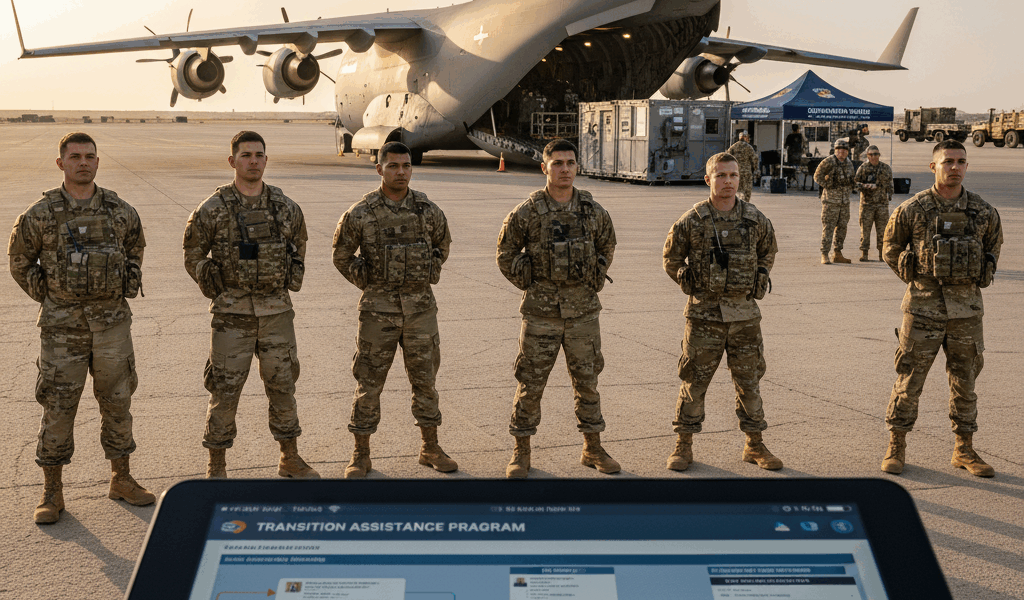

The redesign responds to persistent data showing that too many veterans struggle in the years following their service, despite decades of transition assistance efforts. Understanding these changes matters for anyone currently serving who will eventually transition, for veterans who can access enhanced services, and for families whose financial security depends on successful post-service careers.
The Problem with Traditional Transition Programs
The Transition Assistance Program (TAP) has been mandatory for separating service members for years, but outcomes have been mixed. Too often, TAP became a box-checking exercise, compressed into a few days of classroom instruction during the hectic final weeks of service.
Service members reported that information came too late and too fast, that instruction felt generic rather than tailored to their situations, and that follow-through after separation was minimal. Many struggled with unemployment, underemployment, financial instability, and mental health challenges in the years following service.
Research showed that transition success depended heavily on preparation that began well before the separation date, personalized planning rather than one-size-fits-all instruction, and ongoing support after the transition rather than a clean handoff.
The New Approach
The redesigned transition system extends preparation across the entire career rather than concentrating it at the end. Service members now receive career planning guidance beginning at their first duty station, building awareness of post-service options and encouraging skill development throughout their careers.
Thats what makes this overhaul different from past tweaks — its not about improving a week-long class, its about changing the entire timeline.
Formal transition preparation now begins 24 months before separation rather than the previous 12-month standard. This extended timeline allows meaningful exploration of career options, completion of certifications or education, and development of job search skills without the pressure of impending separation dates.

The content has been redesigned to be more modular and personalized. Rather than sitting through days of general instruction, service members complete assessments that identify their specific needs and are directed to relevant resources. Someone with a clear career path and strong financial foundation receives different guidance than someone facing uncertainty on both fronts.
Enhanced Career Services
Career services have been significantly expanded. The SkillBridge program, which allows service members to participate in civilian work experiences during their final months of service, has been scaled up with more participating employers and simplified administrative processes.
Credentialing assistance has been streamlined, with clearer pathways for translating military training into civilian certifications. Education benefits counseling now integrates with career planning, helping service members make strategic decisions about when and how to use their GI Bill benefits.
The VA has expanded its Veteran Readiness and Employment program, providing intensive support to veterans who face significant barriers to employment due to service-connected disabilities or other challenges.
What This Means For You
If youre currently serving, the new system means you should start thinking about post-service life earlier than previous generations did. Take advantage of skill-building opportunities throughout your career. Engage with transition resources when theyre offered rather than putting them off.
If youre a veteran who transitioned under the old system and struggled, know that enhanced services are now available. VA employment services have expanded, and many programs now serve veterans years after their separation dates.
The fundamental insight driving these changes is that transition isnt an event — its a process that unfolds over years. The more seriously you take that reality, the better your outcomes will be.




Leave a Reply