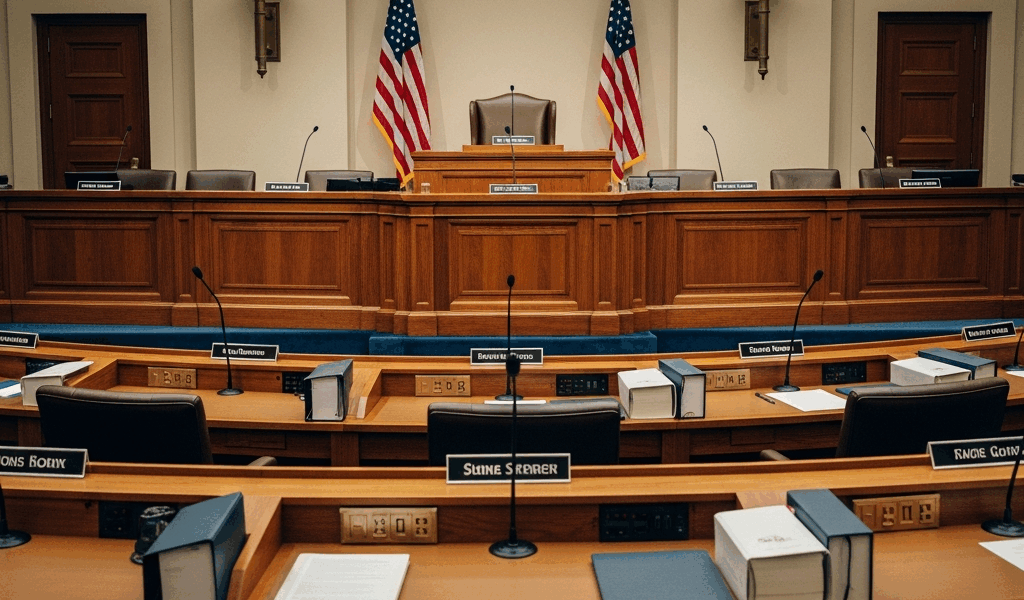
On April 29, 2026, the Senate Committee on Veterans’ Affairs convened at the Russell Senate Office Building to formally review 25 pieces of pending veterans legislation — the clearest signal yet of which bills are actively moving toward a Senate floor vote. Chairman Jerry Moran (R-Kan.) led the session alongside representatives from the VA, Wounded Warrior Project, AMVETS, and the Military Officers Association of America.
This kind of legislative review hearing isn’t procedural theater. When the chairman personally introduces four of the bills under discussion and explicitly states the committee is working to identify cost offsets to advance legislation, bills are close to moving. Pay attention to what’s on that list.
The 25 Bills Under Review
The hearing formally considered legislation spanning VA claims appeals, mammography access, ALS survivor benefits, mental health, spinal injury treatment, workforce strategy, and more. Among the highest-impact bills:
- S. 3286 — Veterans Appeals Improvement and Modernization Act 2.0 (Cassidy/Blumenthal): Would give veterans more flexibility to switch between appeal tracks and establish a 90-day evidence submission deadline. VA would be required to issue more detailed decision notices — a direct fix to a common complaint about opaque denials.
- S. 749 — Justice for ALS Veterans Act (Murkowski): Would extend increased Dependency and Indemnity Compensation to surviving spouses of ALS veterans regardless of how long the veteran had the disease before death. The bill drew $30,000 in first-quarter lobbying from I AM ALS.
- S. 3395 — Mammography Access for Veterans Act (Blumenthal): Would make the VA’s temporary telescreening mammography program permanent and require access in every state and Puerto Rico within two years.
- S. 3653 — Veterans’ Bill of Rights Act (Blackburn): Seven Republican cosponsors including Sen. Jim Banks (R-IN). Would establish formal rights covering provider access, informed consent, privacy, and fair appeals — and require posting at VA facilities and inclusion in Transition Assistance Program materials.
- S. 3726 — National Veterans Strategy Act (Moran): Bipartisan bill requiring the President to develop a comprehensive national veterans strategy across seven domains including physical health, mental health, and economic security. Cosponsors include Blumenthal, Cassidy, Blackburn, and Sen. Elissa Slotkin (D-MI).
- Optimizing the VA Workforce for Veterans Act (Moran/King): Would require VA to develop and maintain a workforce strategic plan aligned with current and projected demand for services down to the local level — directly relevant given VA’s ongoing RISE reorganization.
“The legislation we will consider today reflects a collection of bipartisan priorities to further expand and streamline access to high-quality health care and earned benefits for veterans, their survivors and their families. Improving the lives of those who have served is not a partisan issue, but a shared mission that involves every member of this committee.” — Sen. Jerry Moran, April 29, 2026
The Major Richard Star Act — Still Unresolved, But Moving
The Star Act wasn’t on the April 29 agenda. It was impossible to ignore anyway. The bill would end the dollar-for-dollar offset that strips DoD retirement pay from combat-injured veterans who also receive VA disability compensation — a penalty that currently falls on veterans who are not eligible under the Combat-Related Special Compensation program. More than 50,000 combat-injured military retirees remain shortchanged on benefits they earned.
The bill carries 79 Senate cosponsors and 323 House cosponsors but has been blocked twice on the Senate floor over its $9.75 billion, 10-year CBO cost estimate. The day after the VA committee hearing — April 30 — DoD Secretary Pete Hegseth told the Senate Armed Services Committee: “As I have said in the past to other organizations, we support the Richard Star Act.” Sen. Blumenthal has publicly set a Veterans Day target for passage.
“The cost of caring for our combat-injured veterans by passing the Star Act pales in comparison to the cost of breaking faith with those who sacrificed limbs, health, and futures in service to this nation.” — MOAA
What Already Cleared Committee in March
Nine additional bills passed the committee’s March 18 markup and are awaiting floor time — among them the AVERT Crises Act (VA emergency continuity) and the Molly R. Loomis Act. Moran has stated he is working to identify offsets to move those bills.
What to Watch Next
The April 29 hearing is the pipeline intake valve — bills reviewed here go into the queue for markup or floor consideration. Watch for a committee business meeting announcement in the next three to six weeks. If you’re a combat-injured retiree affected by the concurrent receipt offset, contact your VSO now and ask them to flag your case with MOAA or WWP’s legislative team. The Star Act has Secretary-level support and a named deadline. This is the closest it has come to passing.




Leave a Reply