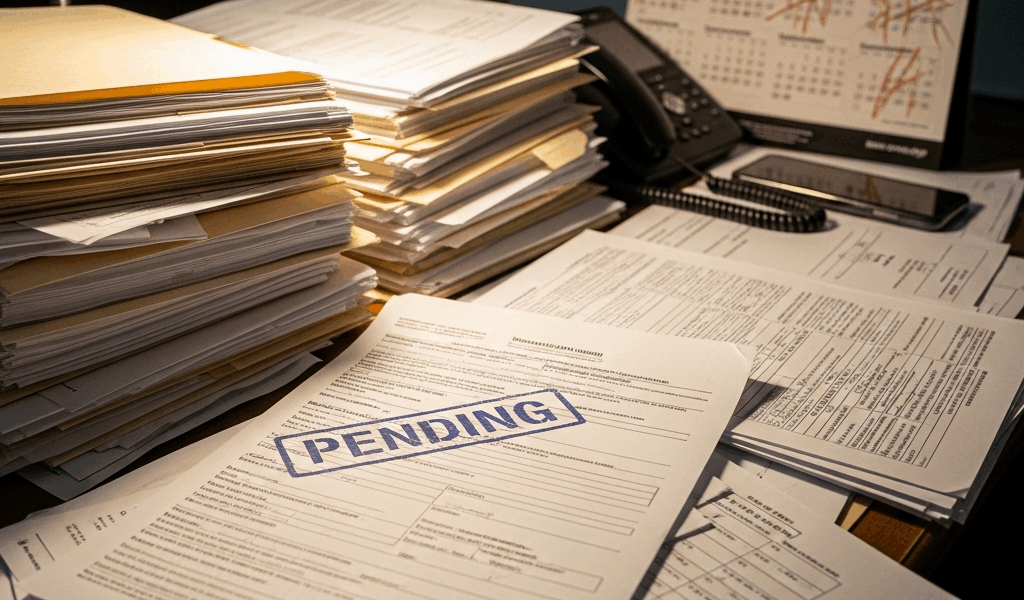
VA Disability Claim Stuck in Gathering of Evidence — Here’s the Fix
VA disability claims have gotten complicated with all the misinformation flying around about what “Gathering of Evidence” actually means. Your claim has been sitting there for three months. Maybe six. You’re refreshing VA.gov like it owes you money, and the status hasn’t budged since mid-summer. As someone who spent eight months in that exact limbo, I learned everything there is to know about this phase — the hard way. Today, I will share it all with you.
Here’s the thing nobody tells you upfront: “Gathering of Evidence” isn’t one passive waiting period. It’s three simultaneous processes running in the background, none of which the portal will actually explain to you. Knowing which one is strangling your claim changes everything.
What Gathering of Evidence Actually Means
But what is the “Gathering of Evidence” phase? In essence, it’s the VA collecting everything it needs before a rating decision gets made. But it’s much more than that.
When your claim lands here, the VA is — potentially at the same time — chasing down records from your private doctors or hospitals, waiting on you or those providers to respond to formal requests, and trying to schedule your Compensation & Pension exam through a contract examiner. Three moving parts. One frozen-looking status label. The portal never tells you which piece is the actual bottleneck.
That’s what makes this phase so maddening to veterans waiting for answers. Your claim isn’t frozen. It just looks that way. Work is happening somewhere behind that status update — you’re just flying blind on where.
The Most Common Reasons Your Claim Is Stuck Here
Four scenarios cause the overwhelming majority of stalls at this stage. Figuring out which one applies to you is, genuinely, the whole game.
Outstanding Private Medical Records
Frustrated by a system that sends a records request and then does absolutely nothing to follow up, you might be surprised to learn your doctor’s office isn’t really the enemy here — they’re just buried. The VA likely sent a VA Form 21-4142 authorization to your private provider. That form landed in a pile. Someone filed it. Nobody acted on it. Weeks passed. The VA assumed the office was working on it. Your claim didn’t move. Nothing in the system flagged this as the problem. It’s the most common culprit by a significant margin — and it’s almost entirely invisible from your end.
C&P Exam Not Yet Scheduled
The VA determined you need an exam but hasn’t actually sent an appointment letter. Or they sent it to your address from 2019. Or they scheduled something three hours away and never confirmed receipt. If you’re 30-plus days into this phase with no C&P exam on your calendar, this is probably your problem. Don’t wait around for paperwork that may have already disappeared into the mail.
National Personnel Records Center Requests
Incomplete service records trigger requests to NPRC in St. Louis — and NPRC operates on a timeline that can only be described as geological. Some requests run 60 to 120 days. That’s completely outside the VA’s control, but your claim still sits there collecting dust while everyone waits.
Missing Release Forms
You didn’t sign the authorization forms. Or you signed them but left something blank. If the VA asked you to authorize release of records from a specific provider and you didn’t respond, everything stops. Full stop. The VA won’t take a single step forward without it.
How to Find Out Exactly What the VA Is Waiting On
Stop guessing. Seriously. Get actual information.
Call 1-800-827-1000 and ask for the Evidence Intake Center. When you reach a live person, ask one specific question: “What outstanding requests are currently open on my claim?” Write down everything they say. Get their name. Get a reference number. Make them repeat it back. This call usually runs about 15 minutes and will tell you more than months of portal-refreshing ever could.
After the call, log into VA.gov and pull up the “Documents” section of your claim. You’ll see what they’ve already received — and sometimes notes about what’s still outstanding. Not always crystal clear, but useful context.
If you want a paper trail without the phone tag, submit an inquiry through Ask VA or IRIS at iris.custhelp.va.gov. These generate a documented request the VA has to respond to within 7 to 10 days. Keep your language simple: “Please list all outstanding evidence requests on my claim, including which providers they were sent to and the dates those requests were made.”
Also — and I can’t stress this enough — contact a Veterans Service Officer at your state or local VA office, even if you’ve been handling everything yourself. VSOs can pull your full case notes in seconds. You’re not surrendering control of your claim. You’re getting information you’re otherwise not allowed to see. There’s a real difference.
Steps to Break the Delay Without Hurting Your Claim
Frustrated by providers who don’t return VA paperwork on any reasonable timeline? Don’t wait on them. Here’s what actually moves the needle.
- Upload your private records yourself through VA.gov. Don’t assume the VA will wrestle them out of your doctor’s office. Request your own records directly from your provider and upload them under “Upload Evidence” in your VA.gov account. This kills the middleman problem entirely — and it’s the single most effective move you can make.
- Call your provider’s medical records department directly. Ask whether they received VA Form 21-4142 and what their timeline looks like. If they lost it — and they sometimes do — offer to pick up the records yourself and hand-deliver them. I’ve done it. It works.
- Confirm C&P exam scheduling at the 30-day mark. If you’re past day 30 with no appointment letter, call back and push. The exam may have been scheduled and sent to an old address, or it may not be scheduled at all. Either way, get a real answer and a real date.
- Be careful with 5103 waivers. VA Form 21-0781 — or the Section 5103 waiver in newer systems — tells the VA to make a decision without gathering anything else. Only sign this if you are absolutely certain every piece of evidence you have is already submitted. Once you sign it, you’re waving the VA off from requesting additional records. Don’t make my mistake.
Probably should have opened with this section, honestly. Upload your own records. Remove the VA’s excuse to keep waiting.
When to Escalate and Who to Contact
So your claim has been in Gathering of Evidence for more than 90 days. You’ve called three times. You’ve uploaded everything in your possession. Your provider swears the records went out weeks ago. Nothing has moved. At that point, escalation isn’t impatience — it’s the appropriate next step.
First escalation: Request a VSO review. They have internal contacts and tools that cut through delays faster than anything a solo phone call will accomplish.
Second escalation: Call your U.S. House Representative’s office. I’m apparently the kind of person who assumed congressional inquiries were a last resort — turns out they’re not, and reaching out to my rep’s Veterans Affairs liaison is what finally worked for me while calling the VA directly never really resolved anything. It’s free. It’s legitimate. It moves faster than veterans expect.
Third escalation: The VA Office of Inspector General. That’s a last resort — reserved for actual misconduct, not slow processing timelines.
So, without further ado, get moving on these steps. You’re not powerless in this phase. You’re just working with incomplete information, and fixing that is well within your reach.




Leave a Reply